Join thousands of attendees from the geoscience community in Denver, Colorado, USA.
Greetings, geoscientists! You are all invited to gather here at the foot of the Colorado Rockies, GSA’s home for the past 58 years, in Denver, Colorado, this 11–14 October for GSA Connects 2026. October weather in Denver is (usually!) delightful; the revitalization project for the conference’s 16th Street Mall neighborhood has finally ended, so hospitality is back to its vibrant self, and the local geologic scenery will not disappoint. Most of all, GSA and the Local Organizing Committee have put together an exciting program that will turbocharge your professional collaboration no matter your area of geoscience practice.
The meeting’s three themes are “Celebrating a Century of Continental Drift,” “Innovations in Exploration from Deep Earth to Deep Space: From AI to Yttrium,” and “Riverscapes in Transition: Dynamics, Hazards, and Human Futures.” They are three tines on the same fork, separate yet interrelated, working together to accomplish a goal—in this case, our shared goal of understanding and appreciating the workings of Earth and other planets.
What better place to celebrate the once heretical idea of continental drift and reflect on the stream of geologic thought it spawned than the Laramide Rockies, the subject of renowned Rocky Mountain geologist David Love’s colorful quote about rabbits, horses, and plate tectonics (that I cannot repeat here!)? I spend many waking hours thinking about the geologic evolution of the Rockies; I’m not alone in considering them one of the world’s most puzzling mountain ranges. At GSA Connects 2026, they beckon you to explore on one of the many organized field trips or on your own, with help from GSA’s fabulous Colorado Geo-Sites map.
The 1860s gold prospectors, who came to the Rockies seeking fortune, had little use for geologists, trusting their empirical noses more than “egghead” theoreticians of the Earth. But history records many fruits of the happy marriage of theory and empiricism, and Colorado is now home to multiple professional societies, academic institutions, and some of the world’s leading exploration companies. A Pardee Keynote Symposium will examine mining geoheritage, and the Geo-Sites map will help you explore Colorado’s rich mining legacy for yourself.
Human society has always needed Earth resources to thrive, and tomorrow’s society will too. The many GSA Connects 2026 events tied to the “From AI to Yttrium“ theme will illustrate how geoscientists are at the forefront of providing society with those resources, from the critical minerals that catalyze technological innovations to satisfying humanity’s ever-rising demand for water and energy—and doing so in a way that sustains Earth’s ability to continue providing the resources our children’s children’s children will need for their societies to thrive.
Water is humanity’s most critical resource of all, and the foot of the Colorado Rockies, where geoscientists work daily to address myriad water issues from drought to acid-mine drainage to flash flooding, is a fitting place to hold the “Riverscapes in Transition” themed sessions that will probe the connection between humans and water.
I want to extend an extra special invitation to GSA Connects 2026 to my early-career and international colleagues. Storm clouds are building on the scientific horizon, with a growing number of citizens questioning the value of expertise and abrupt changes to research-funding models. GSA has long been an international geoscience organization, as this year’s Cordilleran Section meeting in Loreto, Mexico, and next year’s GSA Connects 2027 meeting in Montréal, Canada, both illustrate. As students of the Earth, our growing expertise will shape Earth’s habitability far into the future. The more of us who collaborate, the faster that expertise grows and the brighter our collective future becomes.
Lon Abbott
GSA Connects 2026 General Chair
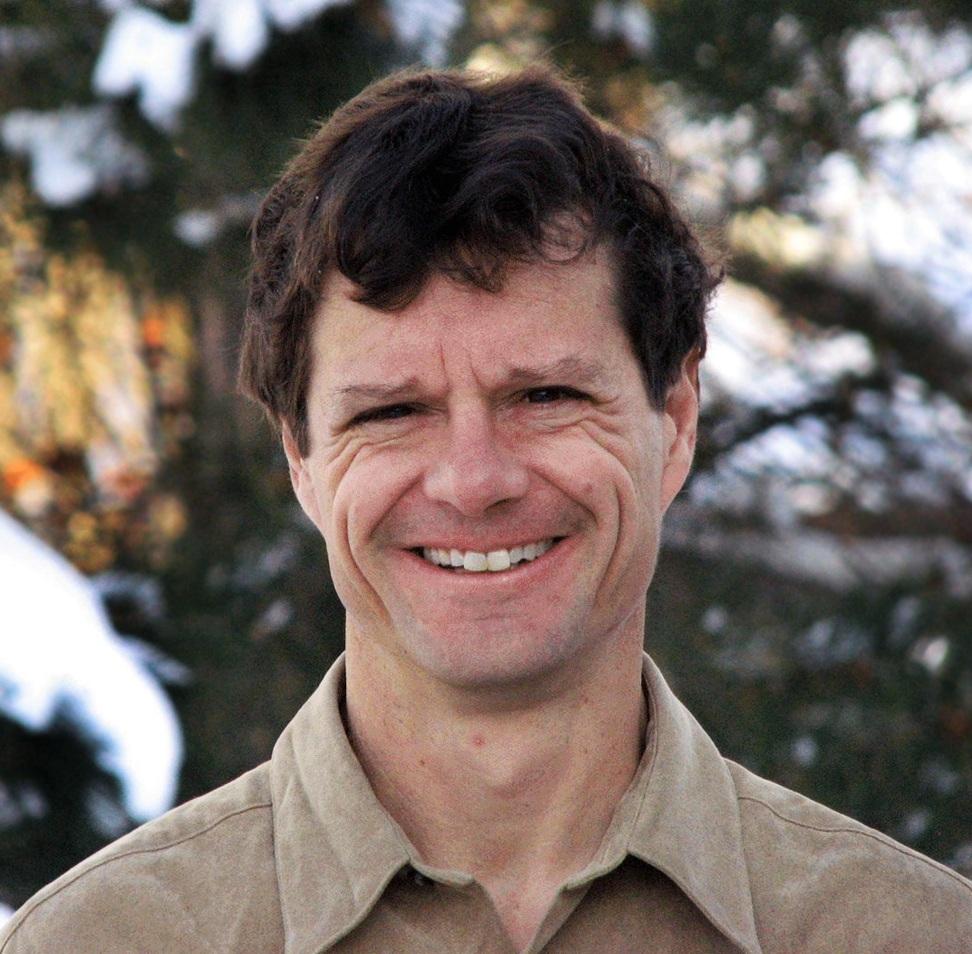
University of Colorado Boulder
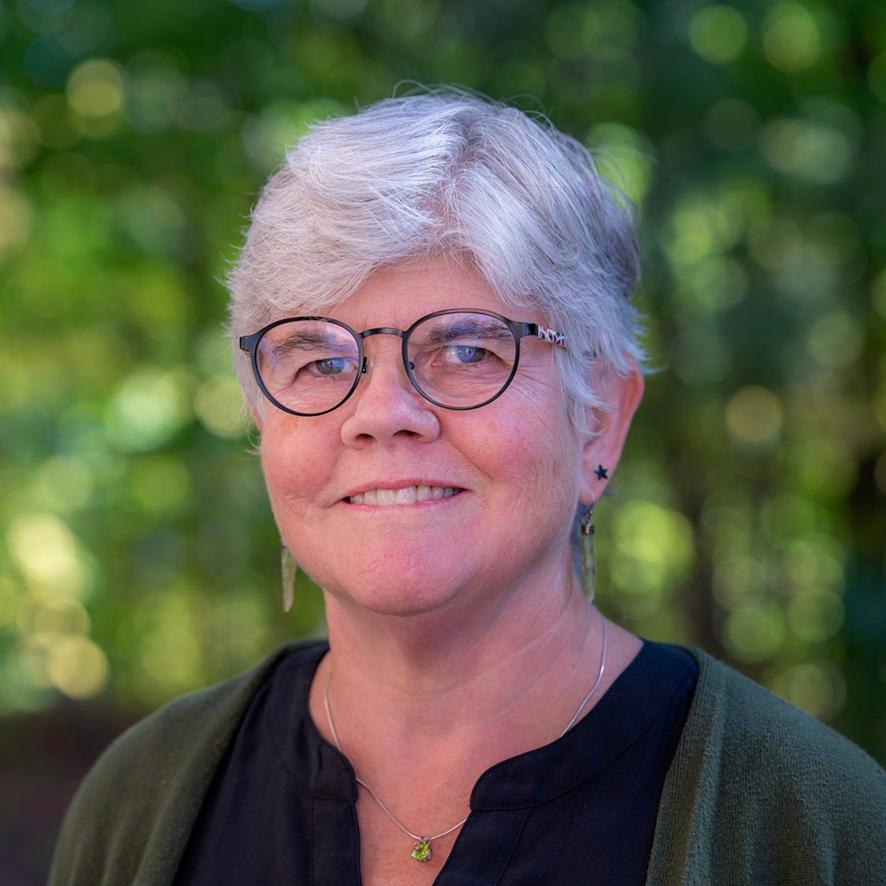
Grand Valley State University
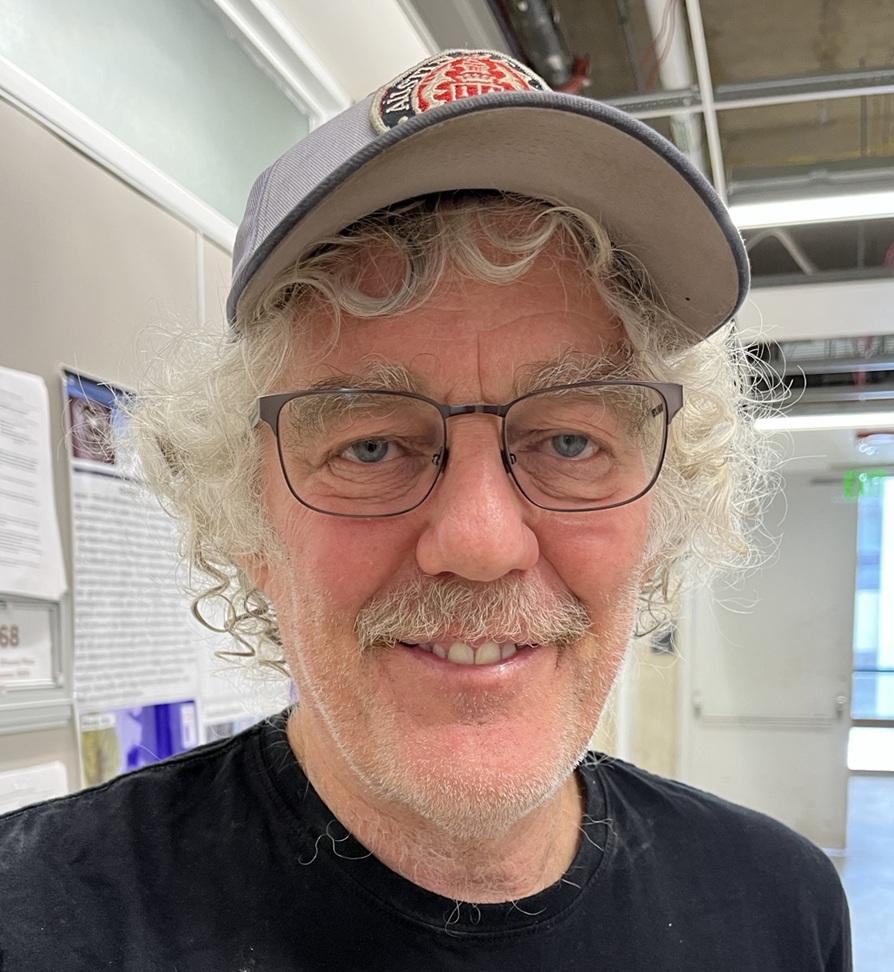
Missouri State University
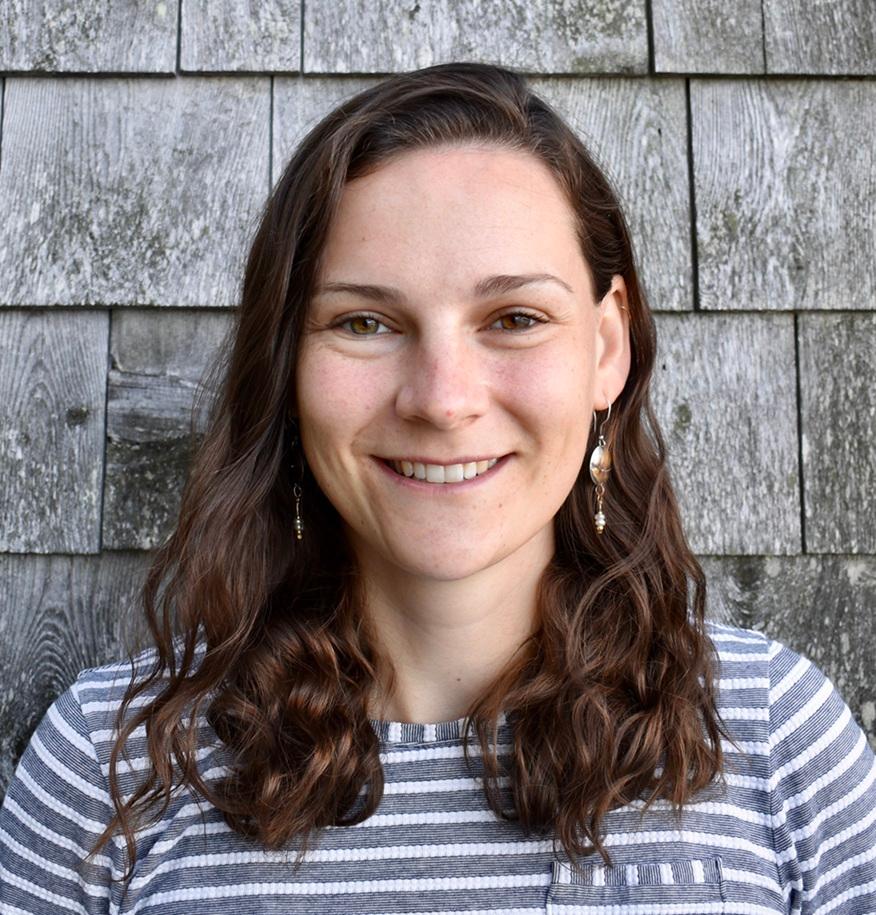
University of Colorado Boulder
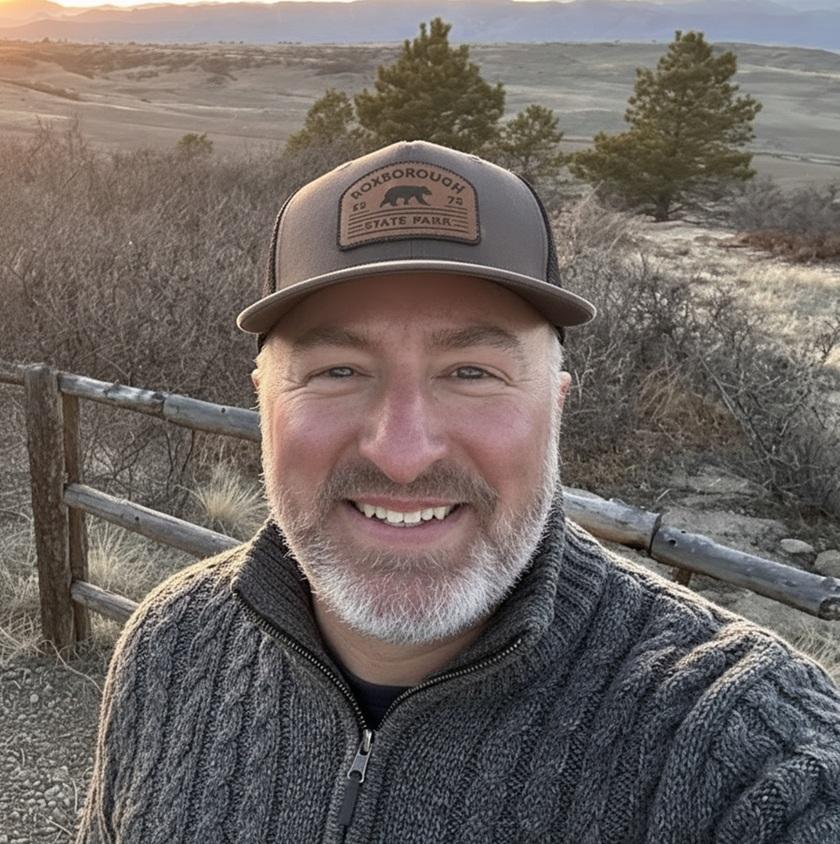
Bureau of Reclamation
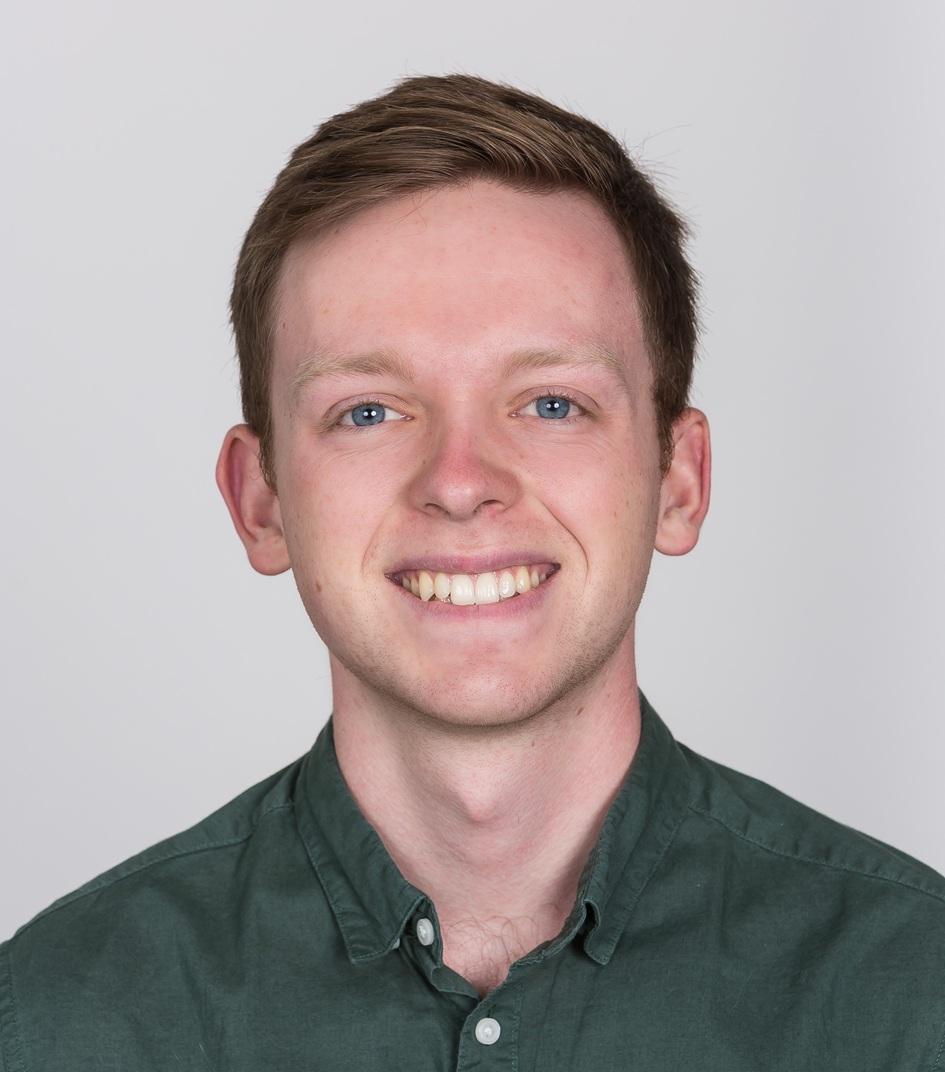
University of Colorado Boulder
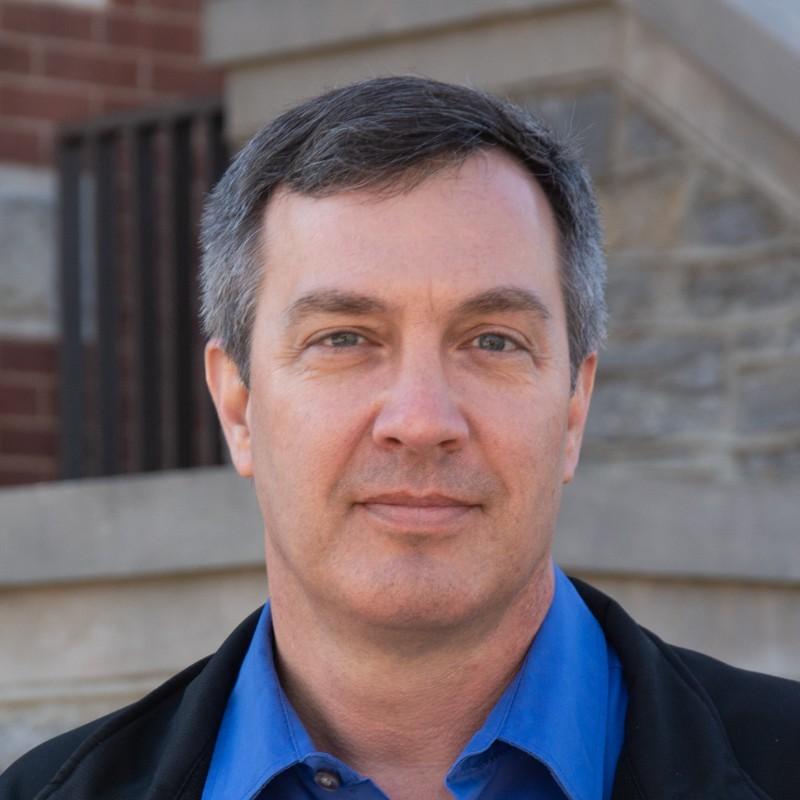
Nevada Bureau of Mines and Geology
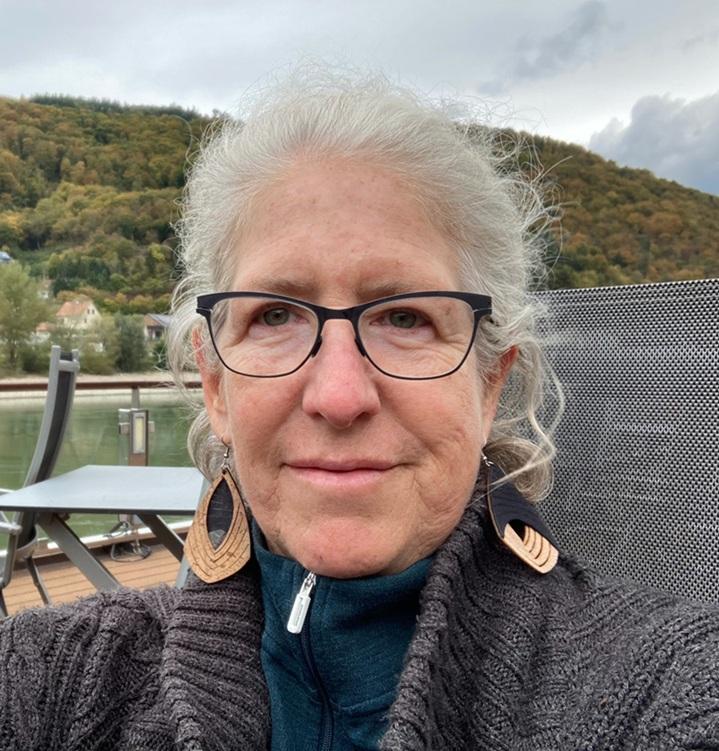
Denver Public Schools
Metropolitan State University of Denver
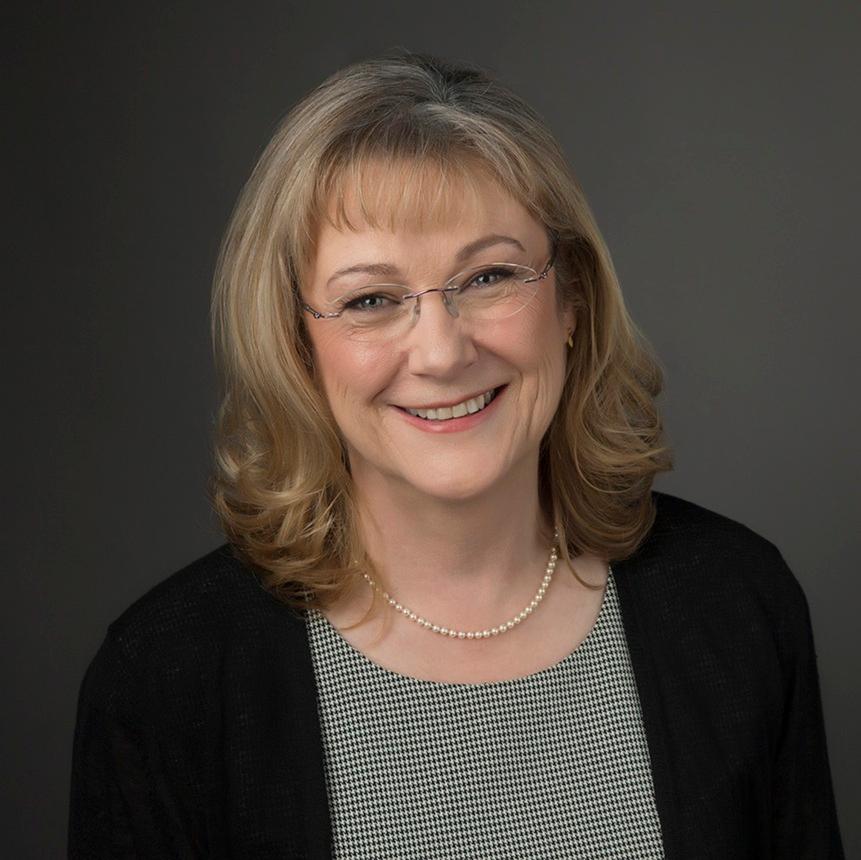
Society of Exploration Geophysicists (SEG)
American Institute of Professional Geologists (AIPG)
U.S. Geological Survey (USGS)
Continental Scientific Drilling Division
Lisa E. Park Boush, Michael M. McGlue
Energy Geology Division
Lily J. Jackson, Anna Ahlstrom Littlefield
Environmental and Engineering Geology Division
William Paul Burgess, Luke A. McGuire
Geoarchaeology Division
Charles F. T. Andrus, Alyssa Victoria Pietraszek
Geobiology and Geomicrobiology Division
Brandt M. Gibson, David A. Gold, Lydia Tackett
Geochronology Division
Manuel Contreras-Lopez, John Cottle, Noah McLean
Geoinformatics and Data Science Division
Anirudh Prabhu, Daven P. Quinn
Geology and Health Division
Rachel Marylee Coyte, Sabrina L. Lanker, Abhishek RoyChowdhury
Geology and Society Division
Alan I. Benimoff, Sinjini Sinha
Geophysics and Geodynamics Division
Shannon A. Dulin, Amanda N. Hughes, Benjamin Patrick Magnin
Geoscience Education Division
Melissa N. Ortega, Victor J. Ricchezza
History, Philosophy, and Geoheritage Division
William M. Andrews, Jr., Rex A. Hanger
Hydrogeology Division
Richelle M. Allen-King, Courtney Killian, Yipeng Zhang
Karst Division
Daniel Jones, Jeanne Lambert Sumrall
Limnogeology Division
Lesleigh Anderson, Elana L. Leithold
Marine and Coastal Geoscience Division
Joshua C. Bregy, Joseph Andrew Carlin, Mohammad Imaran, Nicole S. Khan
Mineralogy, Geochemistry, Petrology, and Volcanology Division
Jade Star Lackey, Gary S. Michelfelder, J. Alex Speer, Elisabeth Widom, Chris Yakymchuk
Planetary Geology Division
Debra Buczkowski, Terik Daly, Claire A. Mondro, Alexander M. Morgan, Jennifer L. Piatek
Quaternary Geology and Geomorphology Division
Karen B. Gran, Bradley G. Johnson, William B. Ouimet
Sedimentary Geology Division
Jacob Covault, Majie Fan, Jason A. Flaum, Andrew Leier, Joel Saylor
Soils and Soil Processes Division
Timothy M. Gallagher, Michael Howard Young
Structural Geology and Tectonics Division
Morgann Gwenva Perrot, Rebecca M. Flowers, Elena A. Miranda, Andrew Vincent Zuza
GSA International
W. Berry Lyons
Paleoclimatology/Paleoceanography
Megan K. Fung
Traditional Ecological Knowledge
Kenneth D. Ridgeway
Association of Earth Science Editors
Monica Gaiswinkler Easton
Council on Undergraduate Research Geosciences Division
Elizabeth Heise, Claire McLeod
Geochemical Society
Frank C. Ramos
Geoscience Information Society
Jenna Thomson
Mineralogical Society of America
Philip Brown
National Association of Geoscience Teachers
Meghan Lindsey Cook
Paleontological Society
David W. Bapst, Sarah M. Jacquet